
Articles by Naomi Prescott
Pick a guide and use it the next time you sit down to learn.

Stress-Free Test Prep: 6 Interactive Role-Play Activities
When I was a kid, “test prep” usually meant sitting very still and trying to force facts into my brain through sheer willpower. It worked… sometimes. More often, it felt like pressure with a side of blank-page panic. Role-play is my favorite antidote for that. It turns review into something active,...
Read more →
Identify Your Child’s Learning Style With 5 Play Activities
When parents ask me how to identify a child’s learning style, I always start with one gentle truth: you do not need a quiz to begin. You need a few low-pressure play setups and a way to notice what your child naturally reaches for. I am not looking for a permanent label like “visual kid.” I am...
Read more →
Weekend Project-Based Learning With Family Cooking
When I was a kid, “practice your fractions” sounded exactly like what it was: extra work. But hand me a spoon and tell me I’m in charge of doubling the pancake recipe, and suddenly math feels like power. This is why I love weekend project-based learning through family cooking. You get a real...
Read more →
Focus-Building Games: 8 Short Activities for Homework Attention
When my attention slips, I do not try to “power through.” I reset the system. Kids need the same kindness. If your child melts down the moment homework appears, it is often not laziness. More often, their focus tank is already empty. The good news is that focus skills can often be strengthened. Not...
Read more →
Tactile Spelling Activities for Sight Words
When I was a kid, spelling practice usually meant a pencil, a list, and a sinking feeling. Now that I spend my time testing study routines, I can tell you this: for a lot of kids, spelling can click faster when their hands are involved. Tactile spelling activities are not just "cute sensory play."...
Read more →
After-School Decompression: 4 Transitional Activities to Prepare Kids for Study Time
There is a specific kind of after-school chaos that can make even the calmest kid look like they are “choosing” to melt down right when homework appears. I used to interpret that spike in silliness, irritability, or zoning out as procrastination. But the more I paid attention, the more it looked...
Read more →
Auditory Learning Games for Early Readers
I used to think “learning to read” was mostly a visual thing: flashcards, letter charts, pointing at words on a page. Then I watched a little kid who clearly did better with listening melt down over yet another worksheet, and light up instantly when we turned the exact same skill into a sound game....
Read more →
10 Kinesthetic Learning Activities for Homework Breaks
When I was a kid, “take a quick break” usually meant I paced the hallway, did a lap around the living room, and came back to my homework somehow more distracted. It took me a long time to learn this: a lot of high-energy kids do not need a break from movement. They often need a break with movement,...
Read more →
Gamifying Math Practice: 7 Hands-On Activities to Replace Boring Flashcards
Flashcards have their place, but if you have a tactile learner in front of you, they can feel like asking a kid to learn soccer by staring at a rulebook. I love math, but I did not always love math practice. The turning point for me was realizing that drills do not have to be still. These seven...
Read more →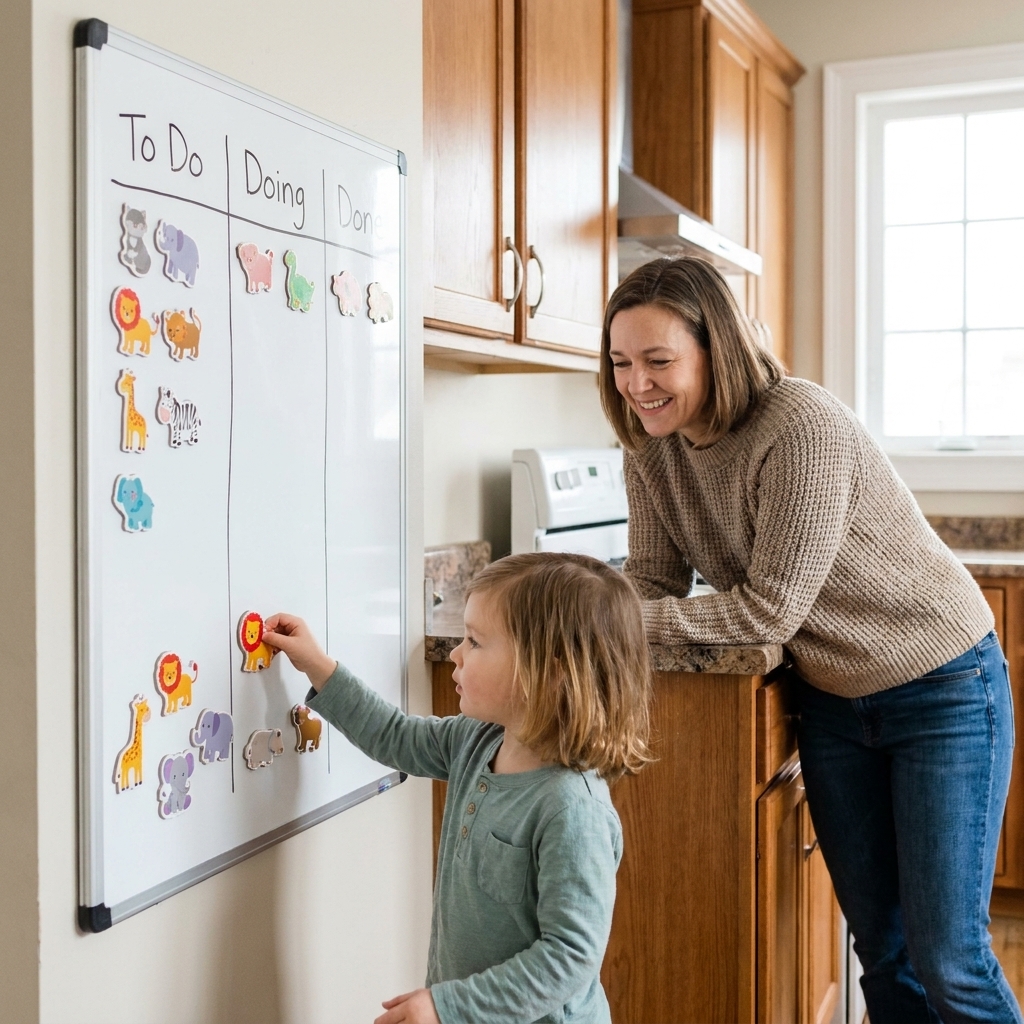
A Visual Homework Board Kids Will Use
The fastest way to turn homework into a daily argument is to keep it invisible. A worksheet buried in a backpack. A reading log that only appears at bedtime. A mental list your child is expected to remember while their brain is busy being, well, a kid. I learned this the hard way when I tried to...
Read more →
Weekly Reading Routine for Industry Trends
I love learning, but I do not love the feeling of drowning in tabs. For years, my “industry reading” was a chaotic pile of newsletters, bookmarked reports, and PDFs I swore I would read “this weekend.” The problem was never motivation. It was structure. This guide is the routine I use now to turn a...
Read more →
Study Plan for Leadership and Soft Skills
I used to treat “soft skills” like background noise. I would read an article about feedback or conflict, nod along, and then freeze the next time a real conversation got tense. What finally helped was treating leadership like any other subject: a skill you can study, practice, and review on a...
Read more →
A Self-Taught Study Routine for Coding and Technical Skills
The first time I tried to teach myself coding, I treated it like a book subject. I highlighted. I rewatched tutorials. I told myself I would “practice later” once I understood it better. Nothing stuck until I flipped the routine: less watching, more building. Less cramming, more spaced review. And...
Read more →
Master Corporate Training With Real Retention
Corporate training modules are supposed to be “quick,” but if you have ever sat through a compliance course that somehow lasts longer than a movie, you know the real problem is not the time. It is the forgetting. I used to click through employer-mandated trainings with my fingers crossed, hoping...
Read more →
15-Minute Microlearning at Work
I used to think “professional development” meant blocking off a full hour, a fresh notebook page, and the kind of mental energy I only seem to have at 9:12 a.m. on the third Tuesday of a good week. Then real life happened. Meetings multiplied, inboxes swelled, and my best intentions quietly...
Read more →
Continuous Learning Plan for Workplace Upskilling
I used to treat workplace learning like a messy pile of good intentions: a webinar here, a course there, and a vague promise to “get better at analytics” someday. Then review season would roll around and I would realize my learning had not translated into evidence . I was smarter, sure, but I could...
Read more →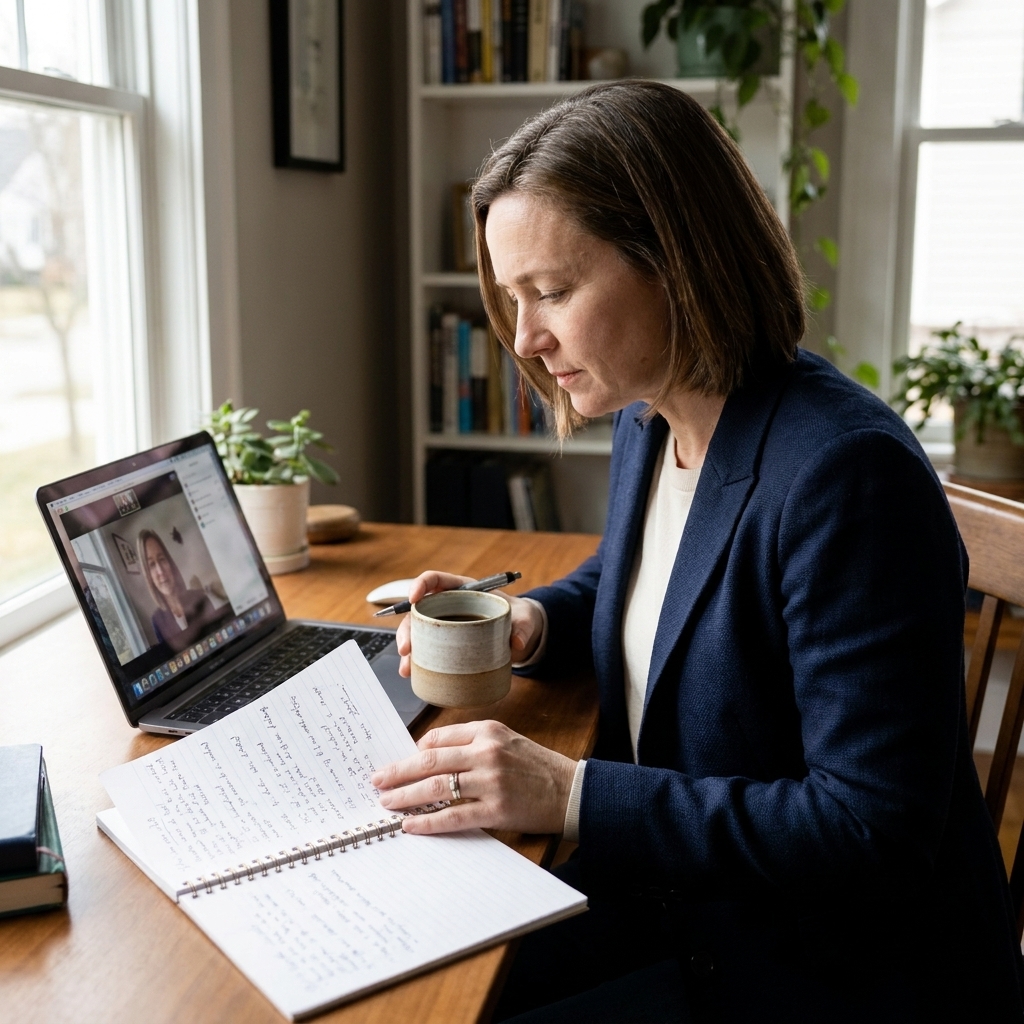
Focused Interview Study Schedule
I used to “prepare” for interviews by hoarding tabs: leadership principles, case prompts, system design notes, a spreadsheet of STAR stories. It looked impressive. It also made me scattered. The shift that actually moved the needle for me was treating interview prep like a focused study plan: clear...
Read more →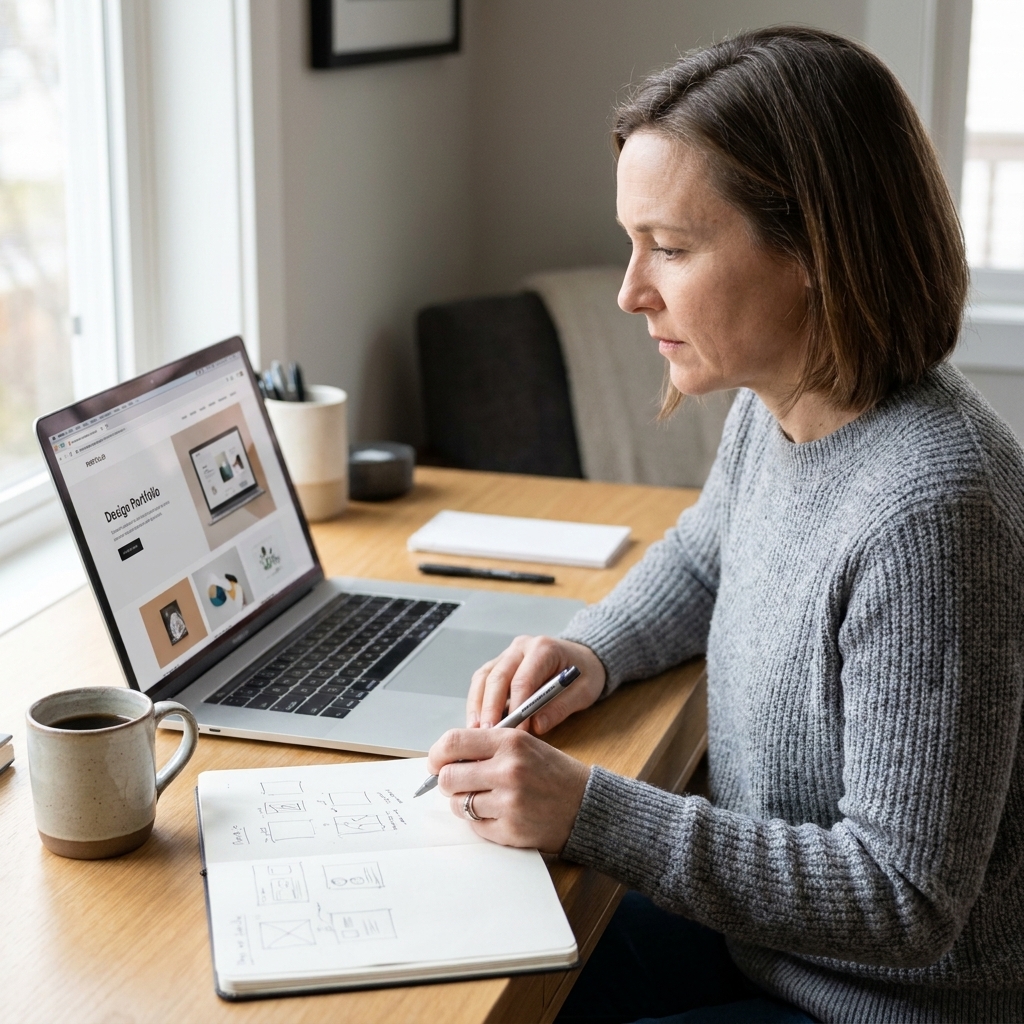
The Project-Based Study Plan
I used to “study” career skills the way I studied in school: read a chapter, highlight a bunch of sentences, watch a video, feel productive, and then… freeze the second I had to produce something real. What finally worked for me was flipping the order. Instead of learning then applying, I started...
Read more →
A 6-Month Study Plan for a Career Transition
I love a fresh start as much as the next productivity nerd, but career transitions have a special kind of chaos. You are trying to learn a new skill stack while still being a functioning adult. When I tried to pivot industries the first time, my “plan” was basically a pile of tabs and a vague sense...
Read more →
The 30-Day New Job Study Plan
Starting a new job can feel like trying to drink from a firehose while also smiling politely and remembering everyone’s name. When I started treating onboarding like a short, focused study sprint (instead of a month-long performance test), everything got calmer. I stopped relying on memory, I asked...
Read more →