

When parents ask me how to identify a child’s learning style, I always start with one gentle truth: you do not need a quiz to begin. You need a few low-pressure play setups and a way to notice what your child naturally reaches for.
I am not looking for a permanent label like “visual kid.” I am looking for patterns that make homework, instructions, and practice feel less like a fight and more like a fit.
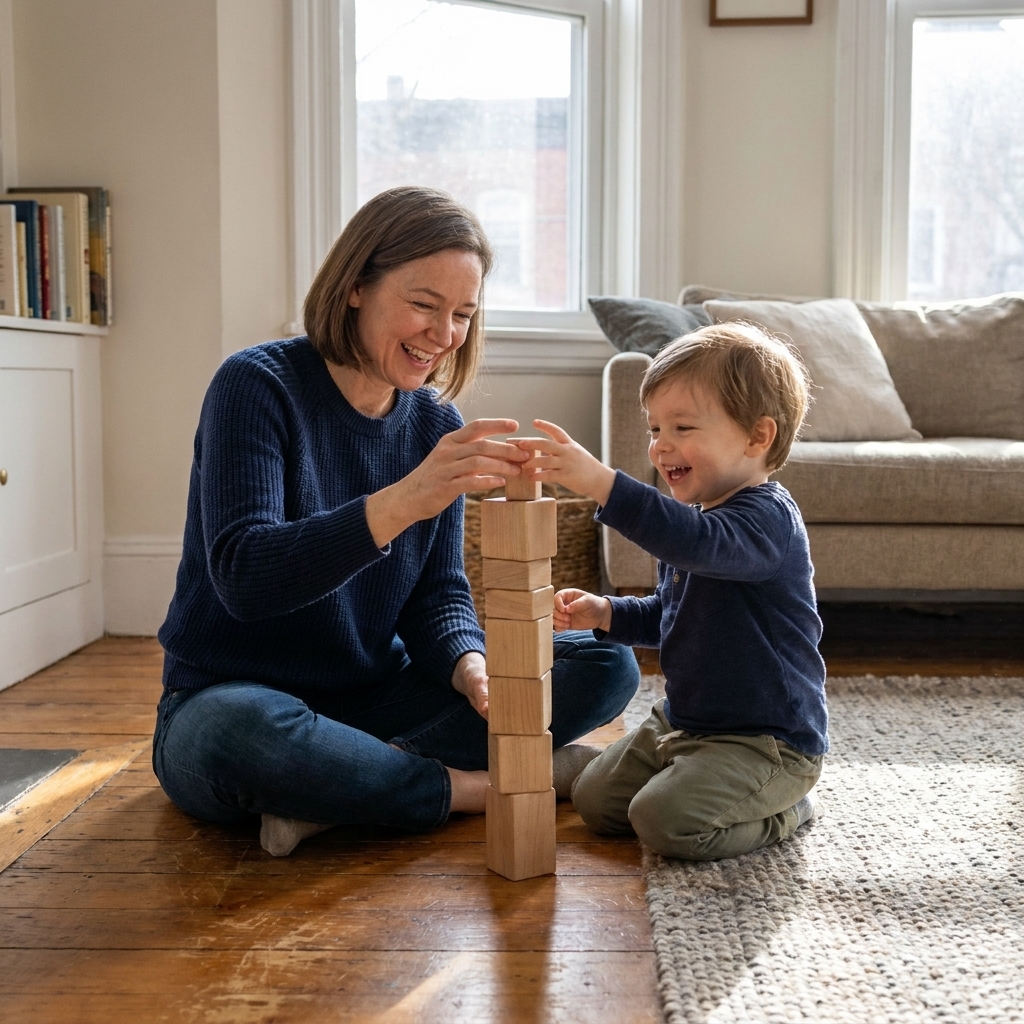
This guide uses five unstructured play activities you can run at home. Each one takes 10 to 20 minutes, uses simple materials, and gives you practical hints about what your child prefers in the moment, especially what helps them engage, stay calm, and understand directions.
Quick safety note
Keep these activities comfortable and supervised.
- Watch small parts. If you have a toddler, skip anything with choking hazards (tiny LEGO pieces, small coins, loose beads).
- Keep climbing safe. For obstacle play, use pillows, tape, and cushions on the floor. Avoid chairs, tables, or anything that can tip.
- Stop before tears. If your child is melting down, the data is no longer clean. Take a break and try again on a calmer day.
How to observe without making it a test
Your job is to set the scene, then get out of the way. The more “teacher voice” we add, the more we accidentally train kids to perform instead of reveal how they naturally learn.
- Pick a calm time. After snack is usually better than right before dinner.
- Use neutral prompts. Try “Show me what you want to do with this” instead of “Do it like this.”
- Watch first, talk second. Give them a quiet minute before you narrate or correct.
- Notice repair strategies. When they get stuck, do they look harder, talk it out, or move and try again?
- Repeat on two different days. Mood, sleep, hunger, and siblings can skew everything.
If you want a quick refresher on the broad categories, our learning styles guide lays out the basics in plain language.
A 3-column notes setup
I like a quick notes method that fits on one page:
- What they did first (their default move)
- What they did when stuck (their coping strategy)
- What lit them up (where focus and excitement increased)
Write short phrases, not essays. Example: “sorted by color,” “sang while building,” “kept jumping up to check,” “asked for a model,” “replayed the same motion.” Those little details add up.
Activity 1: Mystery build
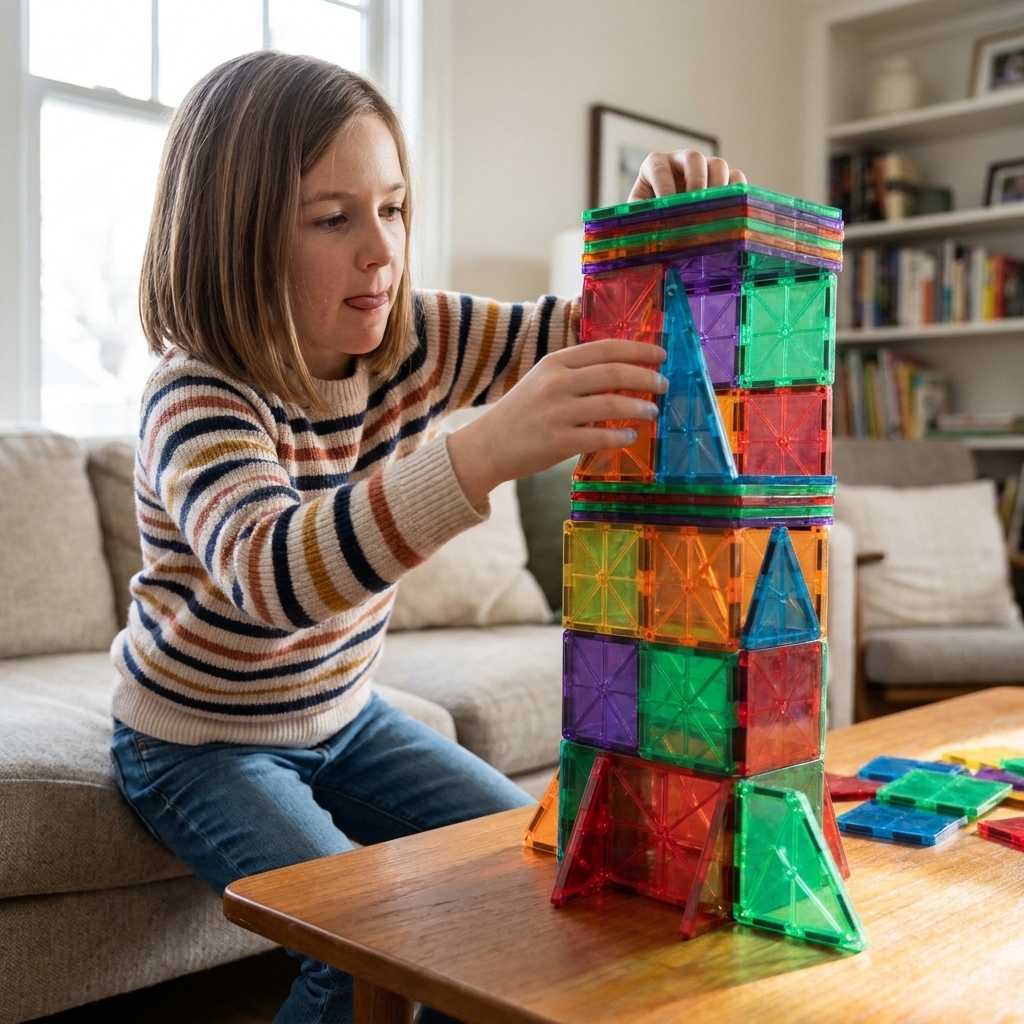
What you need: blocks, LEGO, magnetic tiles, or any building set
Set it up: Put the pieces out. Build a very small structure (5 to 10 pieces) and set it nearby. Do not explain it. Just say, “You can build anything you want.”
Optional nudge after 2 minutes: “You can build one like mine if you want, or make your own.” Then go quiet again.
What to watch for
- Visual-leaning clues: they study your structure from different angles, line pieces up, sort by color or shape, or copy the look before they start experimenting.
- Auditory-leaning clues: they talk through the plan out loud, ask lots of questions, narrate each step, or want you to describe what you built.
- Kinesthetic-leaning clues: they start building immediately, learn by trial and error, rebuild quickly after collapses, and use big motions (pushing, tapping, testing stability) to “feel” what works.
Parent takeaway
If your child gets clearer after looking, that is a visual preference. If they get clearer after talking, that is an auditory preference. If they get clearer after doing (even messily), that is a hands-on preference.
Activity 2: Sound scavenger hunt
What you need: household items that make distinct sounds (keys, paper to crinkle, zipper pouch, spoon in a cup, a toy that rattles)
Set it up: Put 6 to 10 sound items around the room in semi-hidden but safe spots, like behind a pillow, under the edge of a rug, next to a table leg, or inside an open basket. Tell your child, “I hid some things that make sounds. Your job is to find them.”
Make it more sound-led (optional but helpful): Once they find 2 or 3 items, switch roles. You stay in one spot and make one of the sounds (crinkle, jingle, tap) and they try to locate it using listening first. If your child enjoys it and feels safe, you can also try a “listening round” with eyes closed for 5 to 10 seconds while you make one sound.
What to watch for
- Auditory-leaning clues: they pause and listen, ask you to repeat a sound, remember which item made which noise, and may categorize items by “loud” vs “quiet.”
- Visual-leaning clues: they scan visually first, spot hiding places quickly, and may miss items that are not obvious unless they see them.
- Kinesthetic-leaning clues: they move fast, crouch and reach, explore with hands, and may get absorbed in using the object (zip it, rattle it, tap it) more than “finding” it.
Parent takeaway
Kids who are drawn to sound often benefit from spoken directions, rhythm, and read-aloud time. Many still need a visual or hands-on anchor, so a blended routine can work well. If that is your household, you might like how to structure a multimodal study week.
Activity 3: Create-a-map play
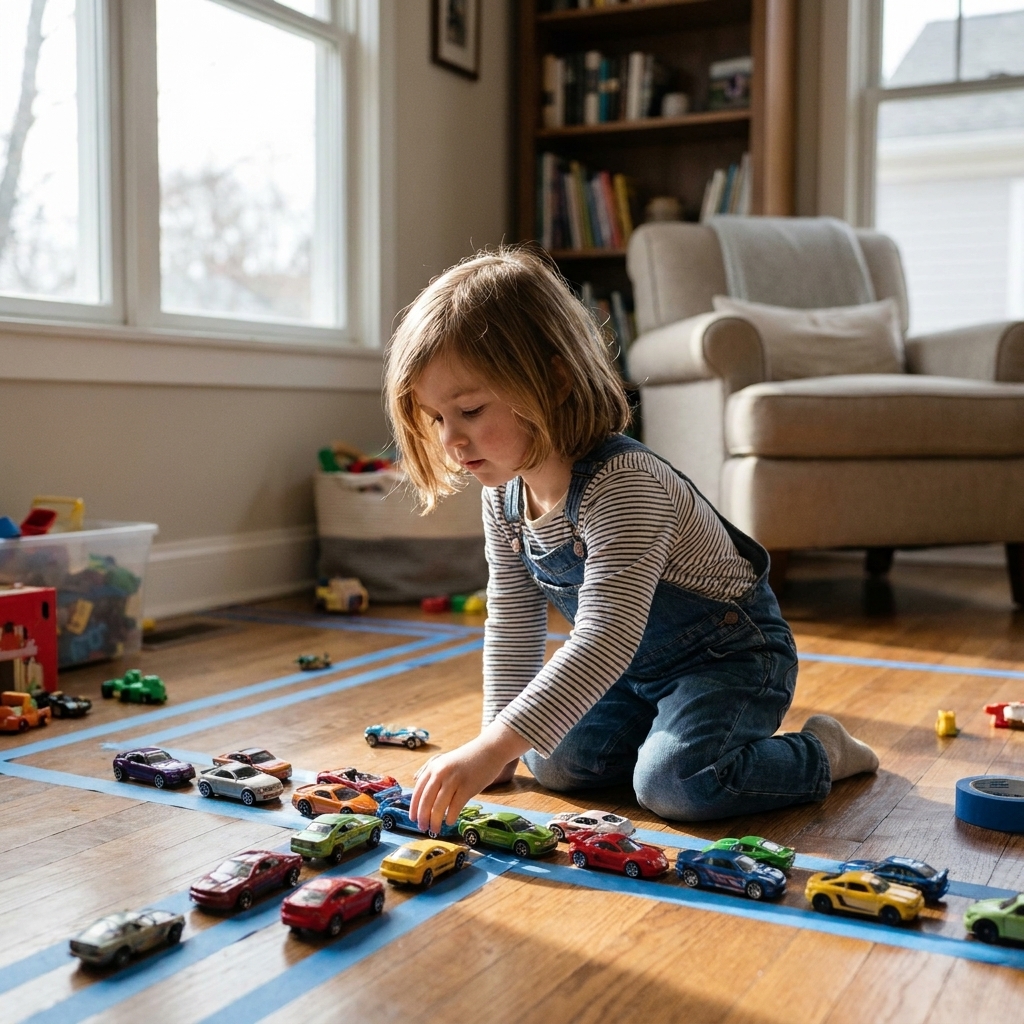
What you need: any small toys plus paper and crayons, painter’s tape, or a few couch cushions
Set it up: Put the toys out and say, “These toys need a place to go. You can make a town, a zoo, a space station, anything.” Then stop talking.
Important: Do not suggest what to draw or where to place things. Let the child decide if they want a drawing, tape roads, cushion mountains, or no map at all.
What to watch for
- Visual-leaning clues: they draw signs, create symbols, arrange zones, care about layout, and return to “looking at the whole scene” to plan next moves.
- Auditory-leaning clues: the story is the engine. They use lots of dialogue, sound effects, and may direct you with spoken “rules” of the world.
- Kinesthetic-leaning clues: they build the world physically (tape, cushions, boxes), move toys through routes repeatedly, and think by moving pieces rather than planning on paper.
Parent takeaway
This activity is powerful because it shows how your child organizes information. Some kids externalize with pictures and spatial layout. Some externalize with narrative and talk. Some externalize with environment and motion.
Activity 4: Teach me how
What you need: nothing special, just a willingness to be the student
Set it up: Say, “Can you teach me how to do something you know?” Let them choose the skill: making a paper airplane, doing a dance move, feeding the pet, building a certain LEGO thing, anything safe.
Your only rule: You are not allowed to lead. You can ask, “What is step one?” and “Can you show me again?”
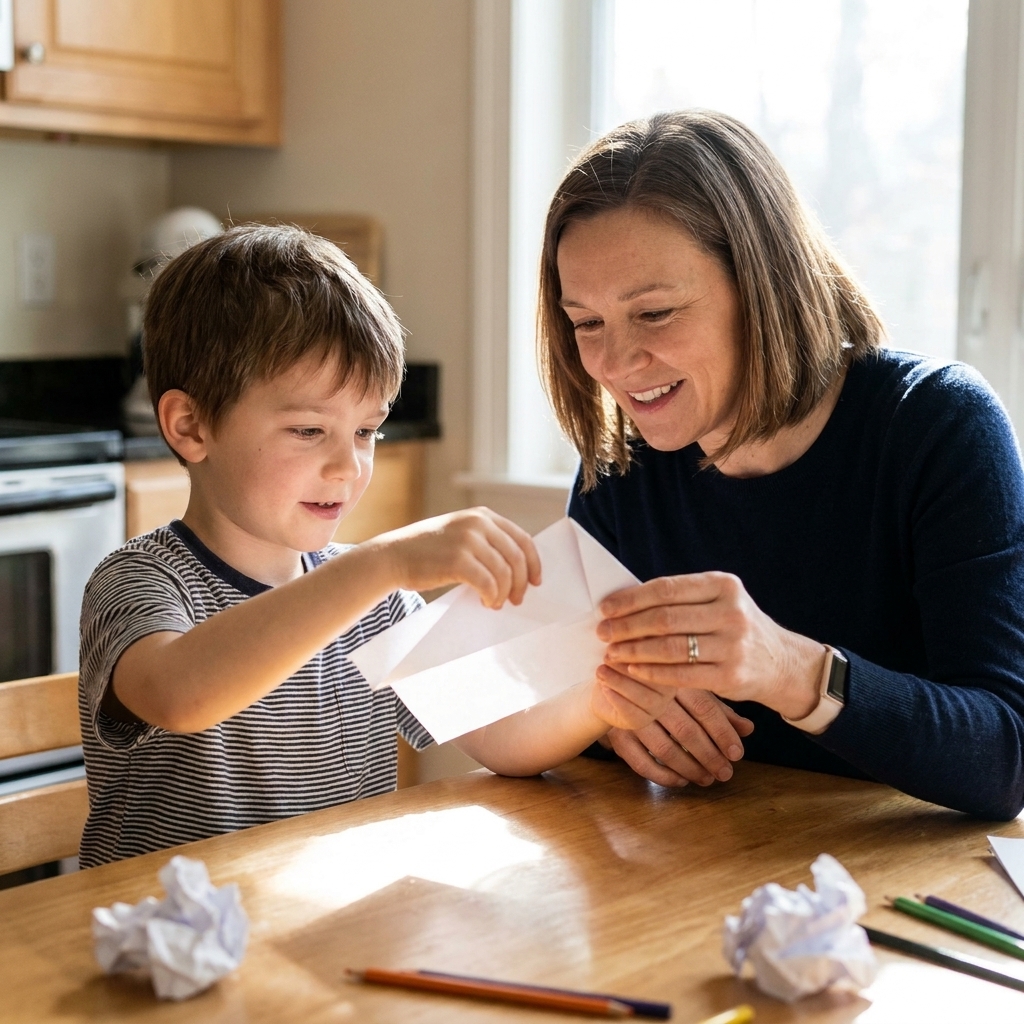
What to watch for
- Auditory-leaning clues: they explain in clear sentences, give verbal steps, correct you with words, and may get frustrated if you do not listen closely.
- Visual-leaning clues: they show you slowly, position the materials so you can see, point to details, and may prefer you watch before you try.
- Kinesthetic-leaning clues: they physically guide your hands, want you to try immediately, and re-teach through repetition: “Do it again. Again.”
Parent takeaway
The way your child teaches can be a clue about how they prefer to be taught, especially when they are calm and confident. If they naturally demonstrate and gesture, more visuals may help. If they narrate steps, spoken instructions may matter. If they guide hands and repeat, they may need doing, not just watching.
Activity 5: Movement mission
What you need: pillows, masking tape, a laundry basket, stuffed animals, paper plates, or anything soft and safe
Set it up: Put out materials and say, “Let’s make a mission. The floor is lava, or we have to deliver these animals to the basket, or we have to cross the room without stepping off the tape.”
Make it unstructured: Ask them to design part of it: “Where should the start be?” “What is the rule?” “How do we win?”
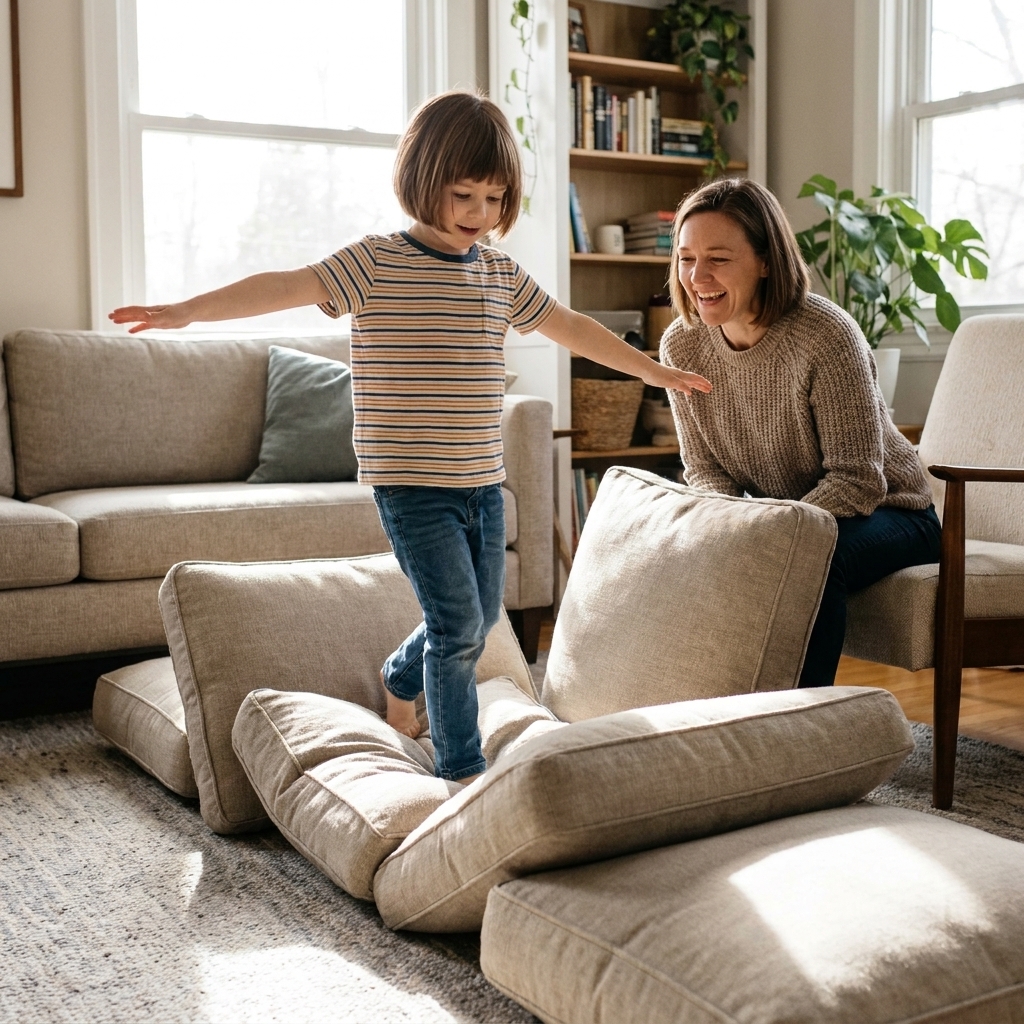
What to watch for
- Kinesthetic-leaning clues: they are most focused during movement, improve quickly with repetition, and remember the rules best while doing the course.
- Visual-leaning clues: they want to see the path first, adjust spacing, prefer clear boundaries, and may “map” the course with their eyes before starting.
- Auditory-leaning clues: they like call-and-response rules, create chants, or want you to talk them through: “Now jump, now turn.”
Parent takeaway
If your child becomes calmer and more regulated while moving, that is useful data. For some kids, movement is not a distraction, it can be a focus tool. If that is your child, you might like kinesthetic learning activities for homework breaks.
What your notes mean
After you try all five activities, look for the top two patterns, not a single winner. Many kids are mixed, and preferences can shift by task, energy level, and materials.
A quick interpretation guide
- Mostly visual signals: your child relies on seeing examples, diagrams, color, and spatial layout. They may say “Let me see” or silently study before trying.
- Mostly auditory signals: your child processes through talk and sound. They may narrate, ask questions, repeat instructions out loud, or remember what they heard better than what they saw.
- Mostly kinesthetic signals: your child understands by doing, touching, building, moving, and repeating actions. They often learn best when the lesson has a physical component.
If your child looks different depending on the activity, that is normal. A kid can sometimes be more hands-on in math but more visual in reading, especially when the materials change.
What to try next
Here are low-effort ways to apply your observations without buying anything new.
If your child leaned visual
- Give one example before expecting independent work.
- Use simple visual cues like a quick sketch, a checklist, or color grouping.
- Try a homework command center like our visual homework board idea.
If your child leaned auditory
- Ask them to repeat directions back in their own words.
- Let them talk while working (quietly) or explain the problem to you.
- Use short verbal routines and consistent phrasing, especially for multi-step tasks.
If your child leaned kinesthetic
- Build in movement breaks before frustration hits, not after.
- Turn review into action: sorting cards, acting out vocabulary, building models.
- Try a timed work sprint with a physical reset. Our strategic study breaks guide can help you make breaks actually restorative.
What this is not
This is not a diagnosis, and it is not a promise that matching one “style” will automatically improve grades. It is simply a parent-friendly way to notice what supports attention and understanding right now.
If your child has persistent struggles that do not improve with sleep, routine, practice, and basic support, it is worth talking with their teacher or pediatrician. Sometimes the most helpful next step is a closer look at vision, hearing, attention, anxiety, or specific learning differences.
Common questions
What if my child hates one of the activities?
That reaction is information too, but it may be about mood or novelty, not a learning preference. Skip it and try again another day. I would rather you collect calm, clean observations than force a “result.”
At what age can you notice preferences?
You can start noticing patterns in preschool years, but expect them to be flexible. The goal is not a permanent diagnosis. It is choosing teaching approaches that reduce friction right now.
Is learning styles research controversial?
Yes, especially the claim that matching instruction to a single style always boosts achievement. What I use in real homes is simpler: kids have preferences, and noticing them helps you choose explanations, tools, and practice formats they will actually engage with. If you want a deeper evidence-based discussion, this overview from the American Psychological Association is a solid starting point: https://www.apa.org/news/press/releases/2019/05/learning-styles-myth.
What if my child seems to need everything?
Then you may have a beautifully multimodal kid, or a kid who benefits from multiple inputs because the task is challenging. In that case, combine channels: show one example (visual), talk through the steps (auditory), then let them do a short hands-on attempt (kinesthetic).
A final note
When I was young, I was convinced there was a correct way to learn and I just kept missing the memo. Watching kids play has changed how I think about this. Most children are not unmotivated. They are mismatched.
Give your child five chances to show you how their brain likes to work. Then use what you notice to make school feel a little more humane.
If you want more kid-friendly options for learning through play, our Learning Activities for Kids guide is a great next stop.